



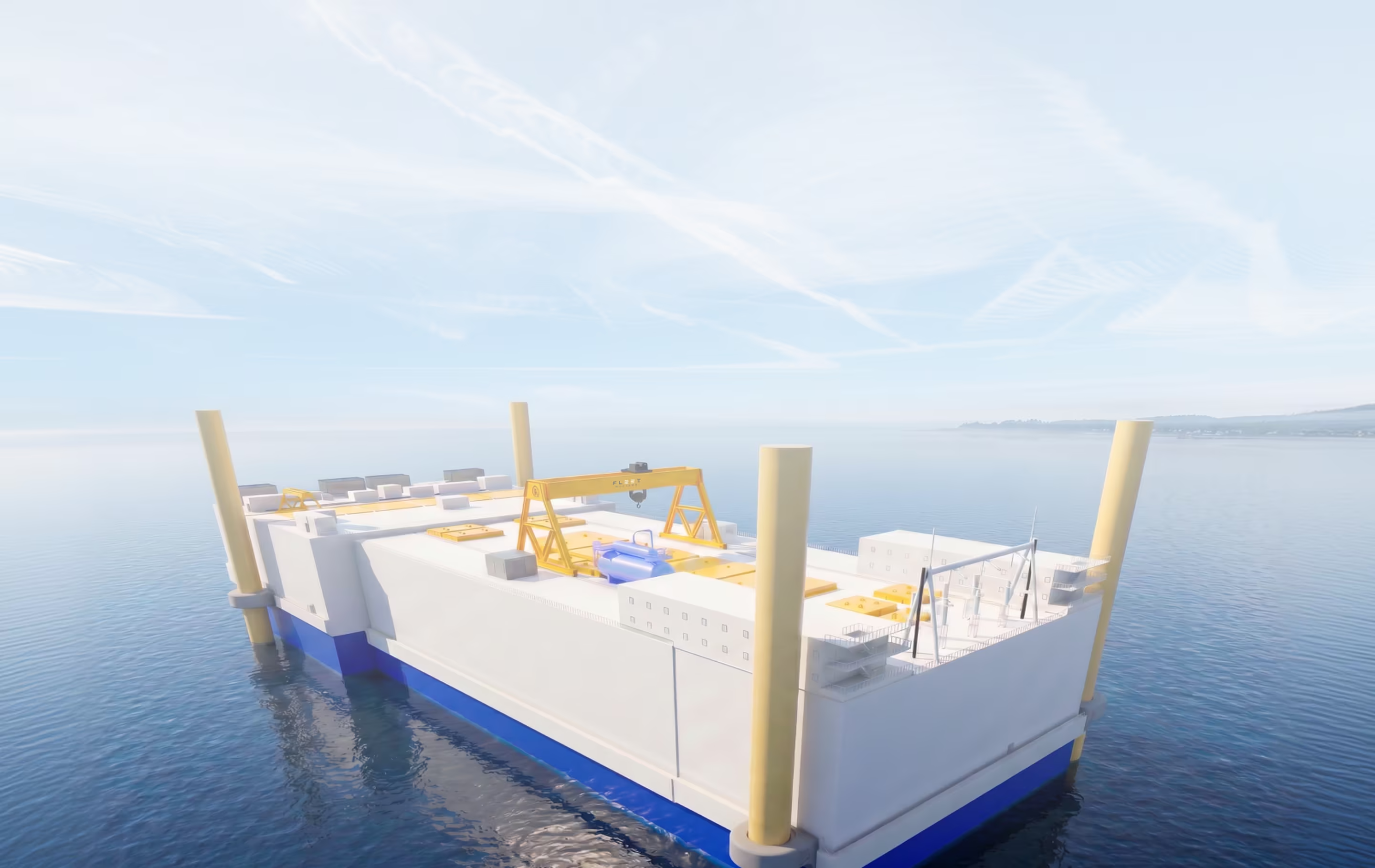
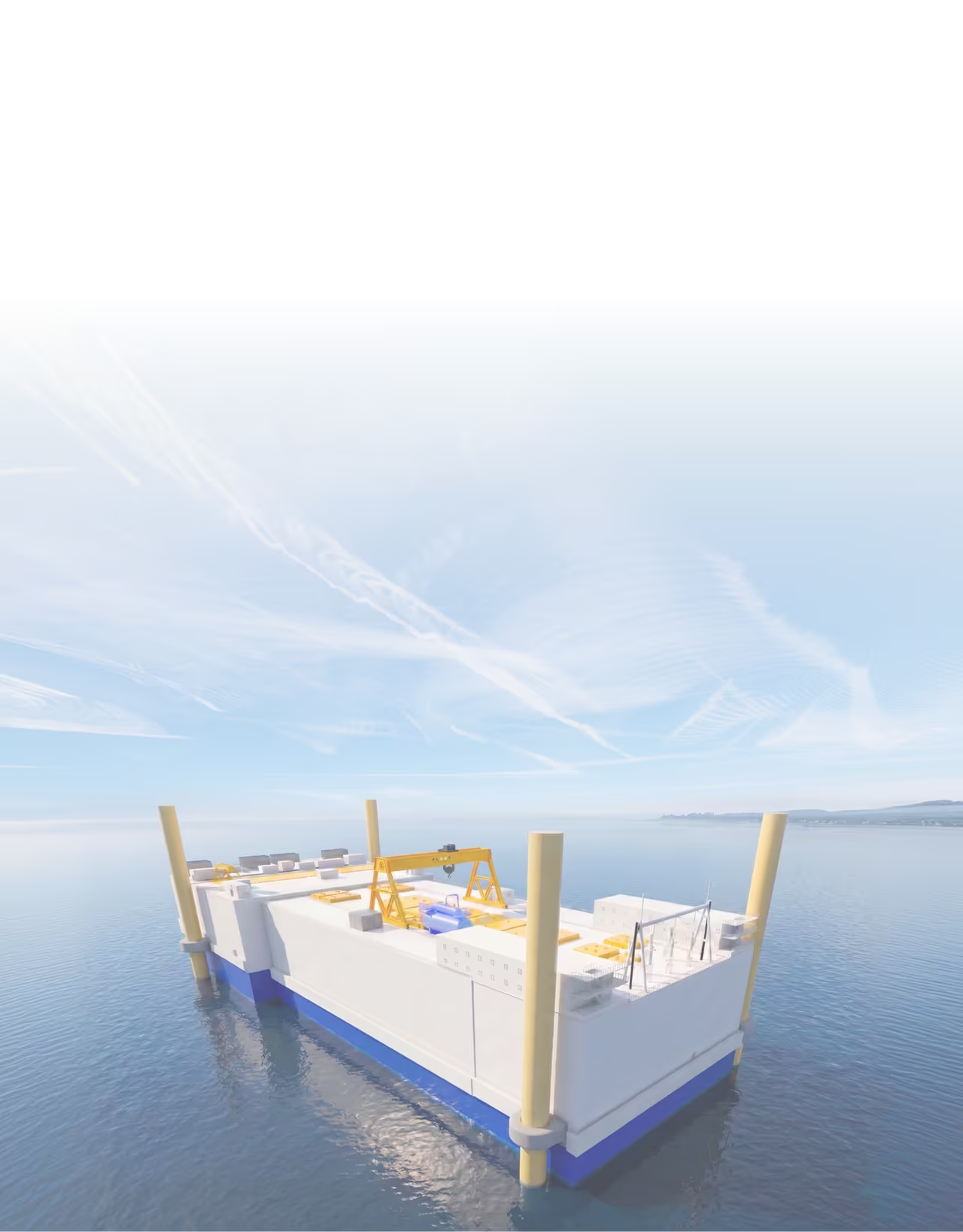

We're building complete grid-scale nuclear power plants in shipyards to deliver cost-competitive, carbon-free power.
We unlock nuclear power deployment by turning large infrastructure projects into finished products delivered on time and within budget.
What We Do
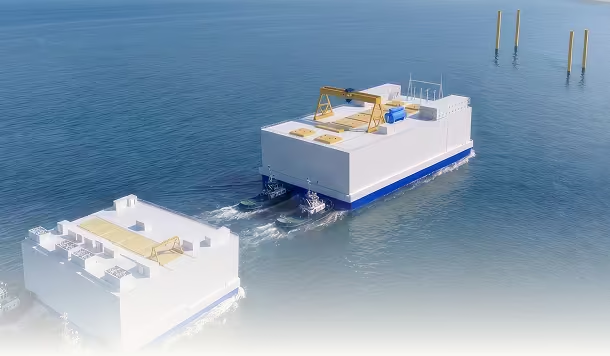
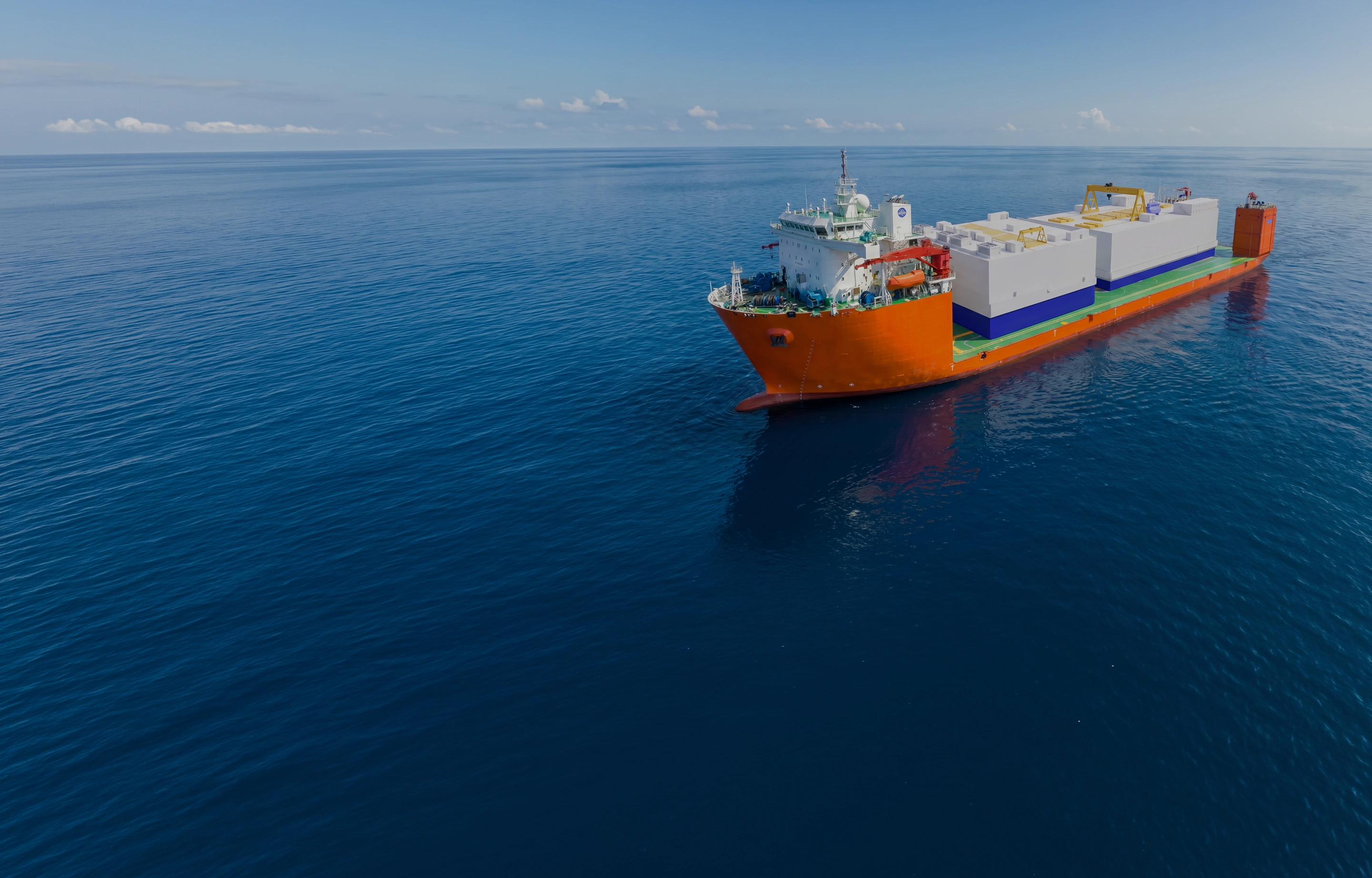
We build 500MWe modular nuclear power plants in commercial shipyards, float them over the ocean to their deployment site, and moor them next to the load they power.

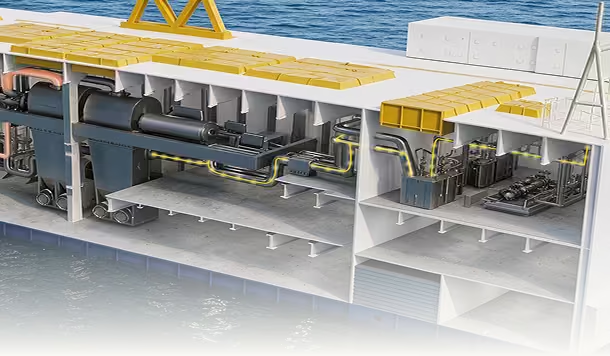
Our Mission
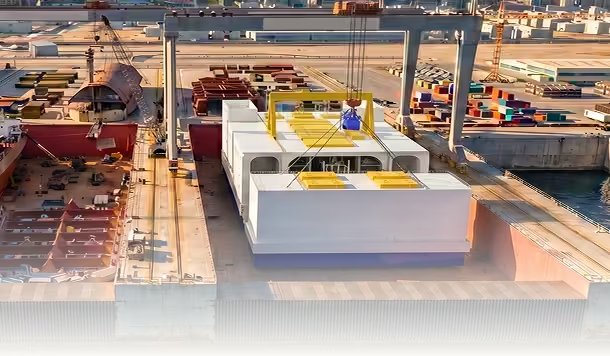
Nuclear Power has a construction problem. We fix it. Nuclear is still a bespoke industry, and we are industrializing it: 500MWe power plants are built modularly in commercial shipyards, the same facilities used to construct large vessels, then transported over the ocean to the deployment site and connected to the load. This compresses nuclear deployment time from 10 to 15 years down to roughly two, at coal-competitive cost.
What We Value
Fleet’s model was specifically designed from inception around the capabilities and constraints of shipyard fabrication and marine deployment, rather than adapting a conventional land-based nuclear plant.
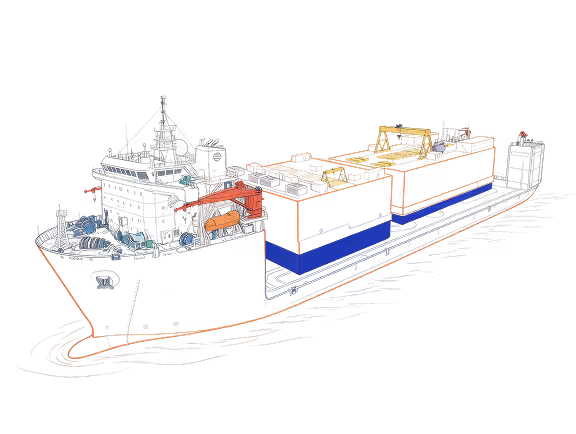
Fleet’s approach turns large-scale nuclear energy from mega-projects to finished, moveable power plants.
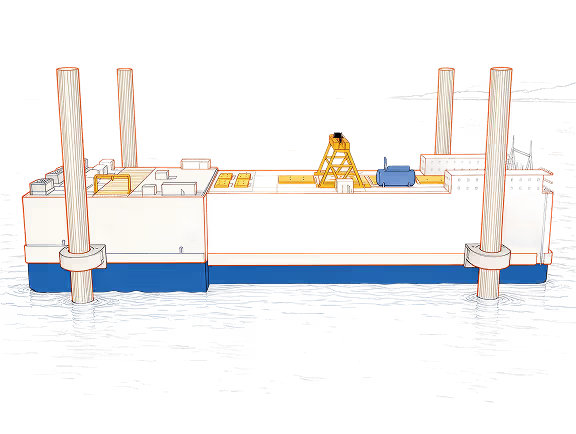
Fleet’s construction and deployment strategy enables unprecedented scale at unbeatable cost.
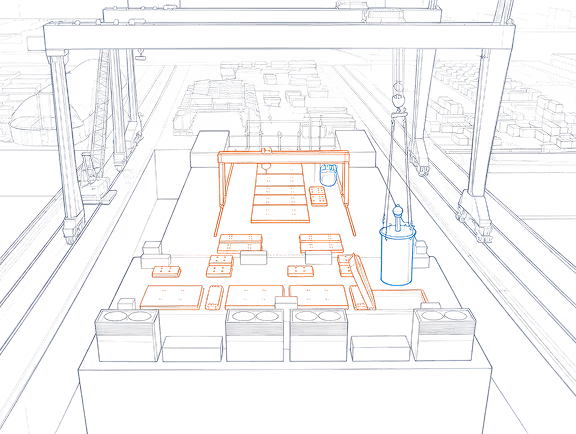
Fleet's molten salt reactor design is inherently safe thanks to the laws of physics rather than operators or complex backup systems.
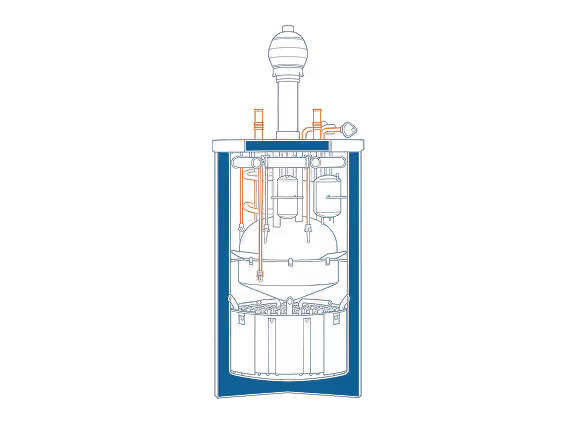
What you can expect from us
Fleet's design was led by the team behind the ultra-large crude carrier (ULCC) ship class, the culmination of more than a decade of engineering work
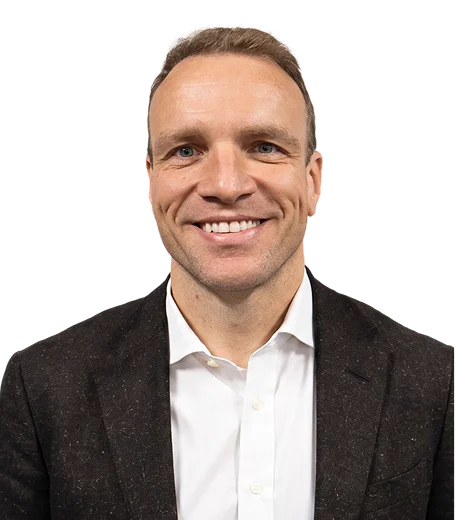

Max Pieri is the CEO of Fleet Nuclear. Previously, he led Tulum Energy, a startup developing methane pyrolysis technology to produce clean hydrogen, and M2X Energy, a venture-backed company developing solutions to reduce methane emissions and produce low carbon chemicals.
Before that, he spent around 15 years in Eni, a major global energy firm, where he established Eni Next - Eni’s corporate venture capital arm - and held senior management roles in the E&P division in the Far East, West Africa, USA, Middle East and Europe. Prior to joining Eni, Pieri was part of the GE Capital M&A team in London, a consultant for McKinsey, and an executive at Edison S.p.A. He has served as Board member in numerous energy companies.
Max holds an MBA from Columbia Business School in New York and an MSc in Mechanical Engineering from Polytechnic University of Milan.
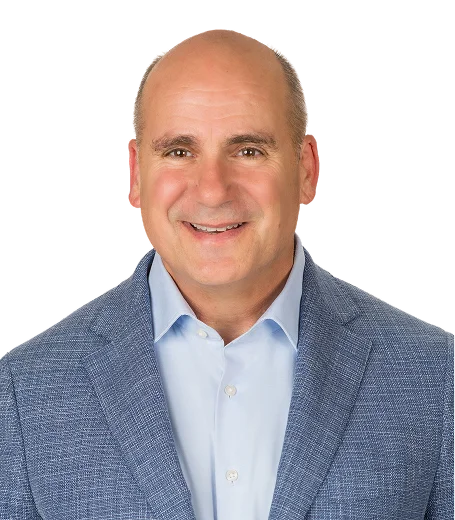
Matt is a dynamic and visionary business leader with a career spanning over three decades. An engineer by training, Matt joined Fleet in 2024 after more than 30 years in tech. As an SAP executive and Vice President of Strategy and Operations, Matt and his global team spearheaded crucial innovative infrastructure programs to help move the company from its software license & maintenance origins to a cloud-delivery giant. Matt excels in translating strategic vision into actionable project portfolios, driving large-scale transformations, and fostering high-performance teams across diverse cultural landscapes.
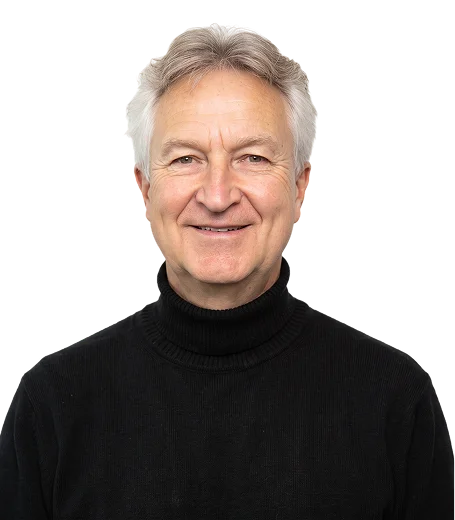
Lars is a lifelong technical team leader with expertise across multiple disciplines, including nuclear, chemical, mechanical, and electrical engineering. He is skilled in understanding how changes in one discipline impact others. Prior to joining Fleet, he led teams to design low earth orbiting satellite systems as a Principal Engineer for ESL/TRW Inc., was vice president of Graychip developing special purpose digital signal processing chips, and was the Chief Technical Officer for Digital Radio Products at Texas Instruments that increased cellular base station power amplifier efficiency from 8% to 40%. Lars is the lead designer for Fleet’s molten salt reactor power plant and leads a small team of expert design and systems engineers. He has dedicated nearly 15 years to iterating Fleet’s design such that each of the nuclear systems have been examined and re-examined. No stone remains unturned. Lars holds an MS in electrical engineering from Stanford University.
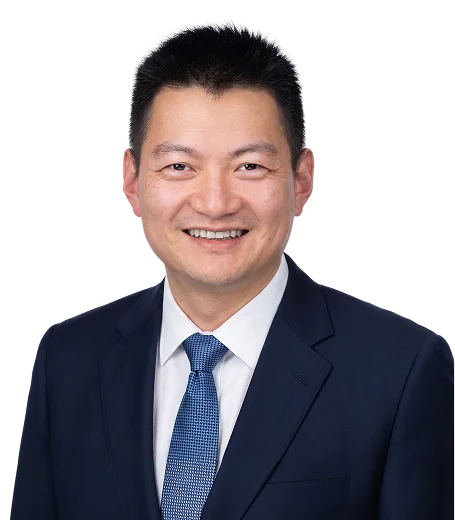
Kun leads all regulatory efforts at Fleet. Before joining Fleet, Kun served as Vice President of Licensing and Regulatory Affairs at Moltex Energy Canada, where he led pre-licensing activities, including engagement with the Canadian Nuclear Safety Commission through the Vendor Design Review process. Prior to that, he was Director of the Reactor System Engineering Division at the Shanghai Institute of Applied Physics, part of the Chinese Academy of Sciences. In that role, he led the licensing of China’s Thorium MSR, the world’s only molten salt reactor currently in operation. He also held positions as a distinguished professor at the Chinese Academy of Sciences and adjunct professor at the University of Chinese Academy of Sciences. Earlier in his career, Kun worked as a nuclear engineer at Argonne National Laboratory in the United States, focusing on nuclear criticality safety, radiation shielding, and the safety review of radioactive material transportation in support of the U.S. DOE and the Nuclear Regulatory Commission. Kun holds a Ph.D. in Nuclear Physics from Indiana University Bloomington and a B.S. in Applied Physics from the University of Science and Technology of China.
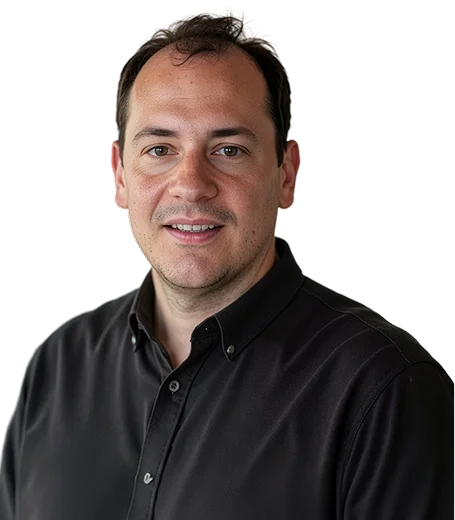
Manuele is Head of Neutronics and Thermo-hydraulics for Fleet Nuclear under a contract with his company, Milano Multiphysics. He is supported by his team of engineers. Manuele holds a Ph.D. in Nuclear Engineering from Politecnico di Milano, where his doctoral research focused on advanced simulation tools for circulating fuel (molten salt) reactors, and he completed postdoctoral work at the University of California, Berkeley and the Laboratoire de Physique Subatomique et de Cosmologie in Grenoble. His research spans reactor physics, Monte Carlo simulation, multiphysics coupling, and nuclear data uncertainty analysis. He is known for extending Generalized Perturbation Theory in Monte Carlo codes (the XGPT method) and for coupling the Serpent Monte Carlo code with the OpenFOAM CFD toolkit. He also serves on the OpenFOAM Nuclear Technical Committee. With over 80 publications and more than 2,000 citations, his work has shaped modern computational methods for advanced reactor design, particularly molten salt reactor technologies.
Ready to rethink how nuclear is built?
Whether you're an investor, strategic partner, or future customer, we're building the next generation of nuclear deployment. If you want to be involved, get in touch.

